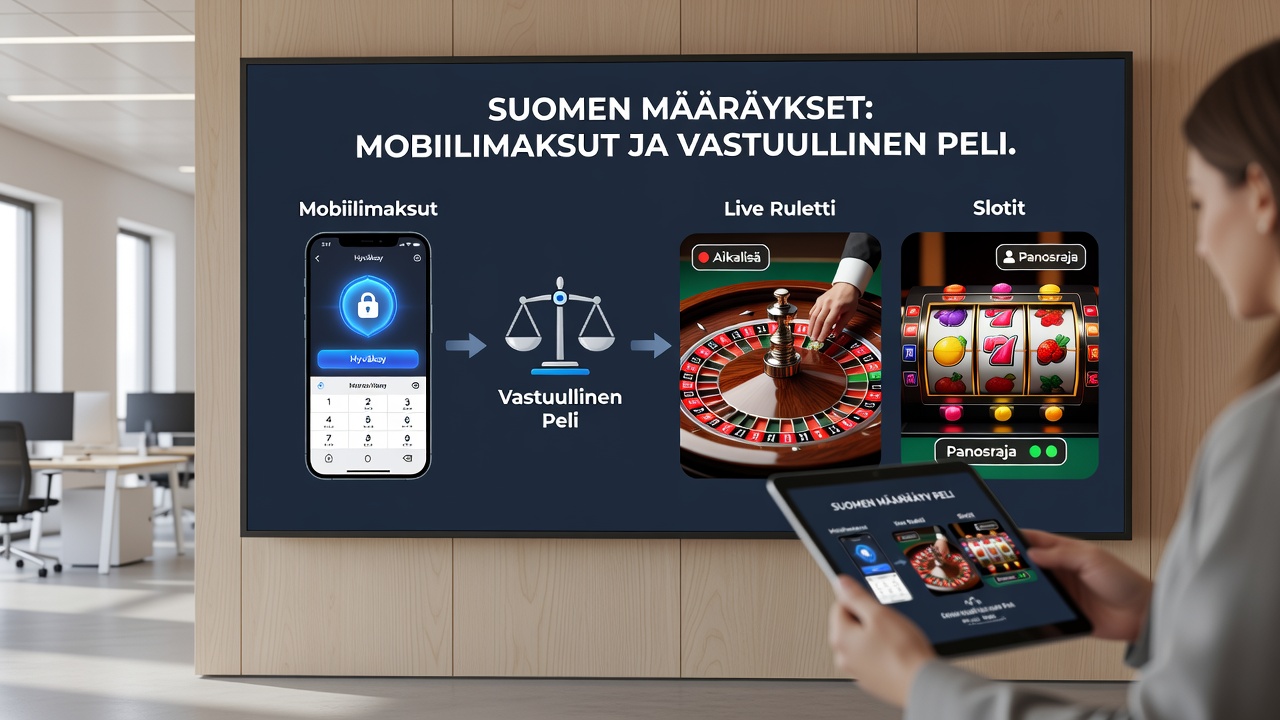
How Finnish Regulations Connect Mobile Payment Choices to Responsible Play in Live Roulette and Slot Sessions
Finnish gambling regulations require operators to integrate mobile payment systems with tools that promote responsible play, particularly during live roulette and slot sessions where players often engage through smartphones and tablets. These rules stem from the Lotteries Act and related frameworks administered by the National Police Board, which oversees how payment methods support deposit limits, session tracking, and self-exclusion features. Mobile options such as bank transfers via apps, e-wallets, and prepaid solutions must connect directly to player accounts that enforce daily and monthly spending caps, ensuring transactions cannot bypass established safeguards.
Regulatory Framework for Mobile Transactions
Under current Finnish law, all licensed gambling activities route through Veikkaus as the state monopoly, and this structure extends to mobile payments used in live dealer roulette and digital slot games. Payment providers must verify user identity at the point of transaction, which links each deposit to a central database that monitors play patterns and triggers alerts when limits approach. Data from the Finnish Institute for Health and Welfare shows that integrated mobile systems reduced instances of excessive deposits by connecting wallet balances to real-time spending reports. Observers note that these connections allow players to set per-session budgets before entering live roulette tables or spinning slots, with the system automatically pausing further transfers once thresholds are reached.
Regulations updated ahead of August 2026 expanded requirements for mobile platforms to include mandatory cooling-off periods after certain deposit volumes, applied uniformly across roulette and slot formats. The changes mandate that payment interfaces display current loss limits alongside transaction confirmations, giving players immediate visibility into their activity without interrupting gameplay flow.
Linking Payments to Session Controls in Roulette and Slots
Mobile payment choices in Finland directly influence how responsible gaming tools activate during live roulette and slot play. When users select a verified bank app or digital wallet for deposits, the transaction feeds into an account management system that records time spent and amounts wagered. This linkage enables automatic reminders at intervals chosen by the player, such as after thirty minutes of continuous slots or following a set number of roulette spins. Researchers at the University of Helsinki have documented how these payment-integrated controls help maintain session awareness, especially in environments where live dealer interactions can extend play duration.
Prepaid mobile options receive particular scrutiny because they often lack overdraft capabilities, which aligns with regulatory goals of preventing credit-based gambling. Operators must ensure that any mobile transfer method supports instant balance updates, allowing players to review totals before confirming additional deposits during active sessions.
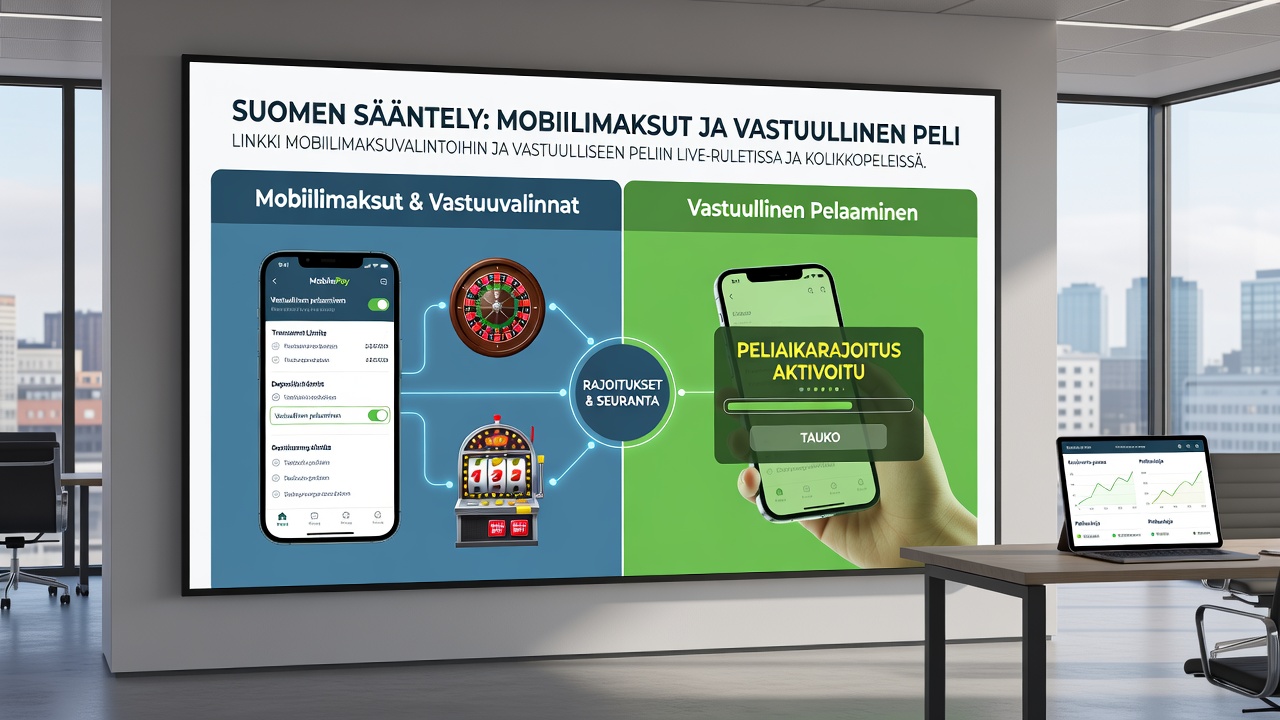
Practical Implementation Across Payment Methods
Bank-integrated mobile payments stand out because they permit direct connection to personal finance apps that flag gambling-related outflows, a feature encouraged by Finnish authorities to support broader financial oversight. E-wallet services operating in the market must incorporate similar hooks, routing funds through verified channels that enforce the same deposit ceilings applied to live roulette and slot accounts. Take one study conducted by Nordic gambling researchers which found that players using these linked systems adjusted their behavior more frequently than those relying on unintegrated methods.
August 2026 brought additional emphasis on cross-platform consistency, requiring that mobile payments for slots and live games sync with desktop activity records. This prevents users from circumventing limits by switching devices mid-session, a common concern addressed through unified account protocols.
Data and Compliance Monitoring
Compliance reports submitted to the National Police Board include breakdowns of mobile payment usage alongside responsible play metrics, revealing patterns in how different methods correlate with limit adherence. Figures from the Finnish Gambling Administration indicate steady adoption of payment options that embed spending controls, with live roulette and slot traffic showing particular gains in tracked sessions. Those who monitor the sector point to these statistics as evidence that regulatory linkage works by making payment selection itself a gateway to protective features rather than an afterthought.
Industry groups such as the European Gaming and Betting Association have referenced similar approaches in comparative analyses, noting how Finland's model ties transaction authorization to player protection databases. The result is a system where mobile choices actively reinforce session boundaries instead of operating separately from them.
Conclusion
Finnish regulations create a direct pathway between mobile payment selections and responsible play mechanisms for live roulette and slot sessions by mandating integration at every transaction point. This approach ensures that deposit methods support the same limits, tracking, and exclusion tools required across all gambling formats. As updates continue into 2026 and beyond, the emphasis remains on seamless connections that keep payment decisions aligned with player safeguards, supported by ongoing data collection and compliance reviews from official bodies.