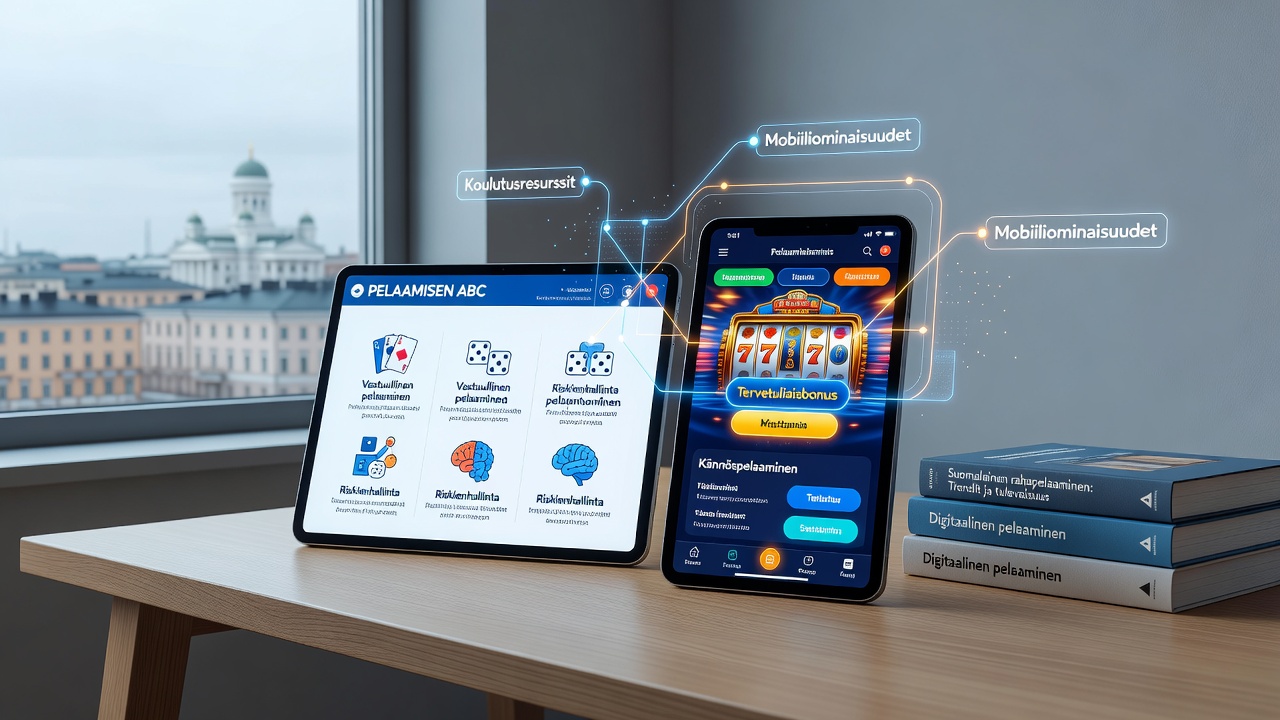
Exploring Intersections of Player Education Resources and Mobile Casino Features in Finnish Gambling Contexts
Player education resources in Finnish gambling have evolved alongside mobile casino platforms, creating direct connections between instructional content and app-based features that support informed participation. Data from national surveys shows that mobile applications now integrate tutorials on game mechanics, probability concepts, and session management directly into the user interface, allowing players to access guidance without leaving the platform. Researchers at Finnish universities have documented how these intersections appear in real-time notifications that explain payout structures during slot sessions or live dealer interactions.
Integration Patterns in Mobile Applications
Finnish operators deliver educational modules through interactive elements embedded in casino apps, where users encounter short explanations of rules and odds before selecting games. Studies conducted in 2025 revealed that features such as pop-up glossaries and progress trackers help users review betting strategies while navigating mobile menus, and these tools often connect to broader resources on financial limits and time management. Observers note that August 2026 saw several platforms update their interfaces to include localized Finnish-language content that aligns with regulatory expectations for transparency in digital environments.
People who examine these systems find that mobile features frequently include demo modes paired with explanatory overlays, which demonstrate how random number generators function in specific titles. This setup allows exploration of game variants without financial commitment, and data indicates higher engagement with educational prompts when they appear within the same screen as gameplay options. Case examples from app analytics show users who complete these modules tend to adjust their session parameters more frequently than those who skip them.
Resource Accessibility and Feature Design
Design choices in Finnish mobile casinos emphasize seamless transitions between learning materials and core functions, such as links from account dashboards to articles on house edge calculations or self-assessment quizzes. Evidence from industry reports highlights that push notifications about responsible play practices often reference the same educational databases used in desktop versions, yet mobile formats adapt content for smaller displays with scrollable sections and video summaries. Those who track usage patterns report that accessibility improves when resources load quickly on common Finnish network speeds and devices.
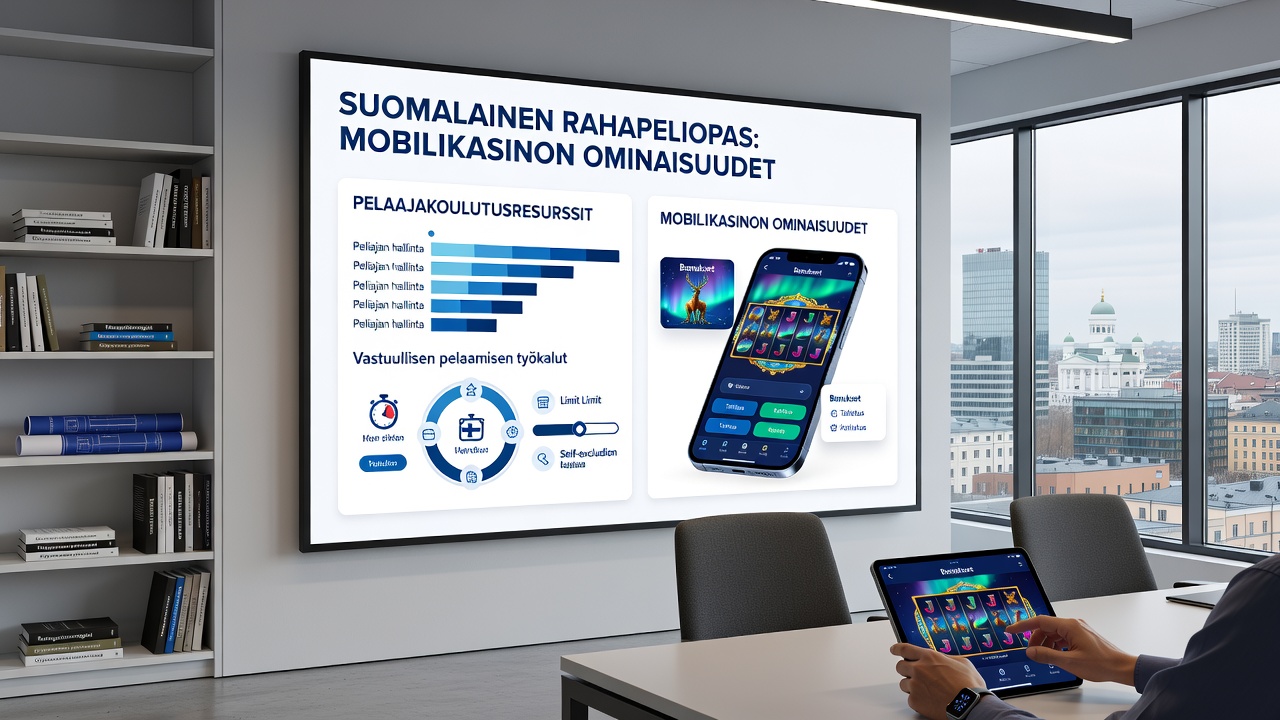
What's interesting is how certain apps now incorporate user-controlled toggles that surface relevant education based on selected games, connecting slot volatility information to payout history displays. Academic analyses from Nordic research groups confirm that such personalization draws on aggregated play data while maintaining privacy standards required under Finnish legislation. Figures from 2026 platform updates indicate expanded use of these adaptive systems across multiple operators serving the domestic market.
Connections to Broader Regulatory Frameworks
Finnish gambling oversight requires operators to provide clear information on game probabilities and risk factors, and mobile features must deliver this material in formats that comply with accessibility guidelines. Reports from the Ministry of Social Affairs and Health outline expectations for integrated education that appears during registration or deposit processes, linking directly to features like deposit limit setters and game history viewers. Ministry documentation details how these requirements apply uniformly to mobile and traditional channels, ensuring consistent presentation of educational content.
External research from the Canadian Centre on Substance Use and Addiction has examined similar intersections in other regulated markets, noting that mobile-specific tools can reinforce understanding of return-to-player percentages when presented alongside live game statistics. Their comparative studies provide context for how Finnish implementations align with international approaches to player information delivery. Observers note that Finnish platforms have adopted certain design elements from these findings, particularly in how educational prompts appear at decision points within mobile sessions.
Usage Trends and Platform Developments
Analytics collected through 2026 show increased interaction with in-app education during peak evening hours, when Finnish users often engage with mobile casinos after work. Platforms have responded by refining notification timing and content length to match shorter attention spans typical of smartphone use. Researchers continue to monitor whether these adjustments lead to measurable differences in how players apply the information during extended play periods.
Take one documented rollout where a major service introduced contextual help buttons next to each betting option, allowing immediate access to probability breakdowns without menu navigation. Data shows this reduced the steps needed to reach educational material and coincided with updates released around August 2026. Those monitoring adoption rates find that younger demographics interact more readily with video-based explanations embedded in the mobile flow.
Conclusion
Intersections between player education resources and mobile casino features continue to develop within Finnish gambling environments through interface refinements and content adaptations. Platform updates, regulatory alignments, and research findings shape how instructional elements appear alongside core functions, supporting access to information at the point of play. Ongoing data collection will clarify the extent of these connections as mobile technology advances in the sector.